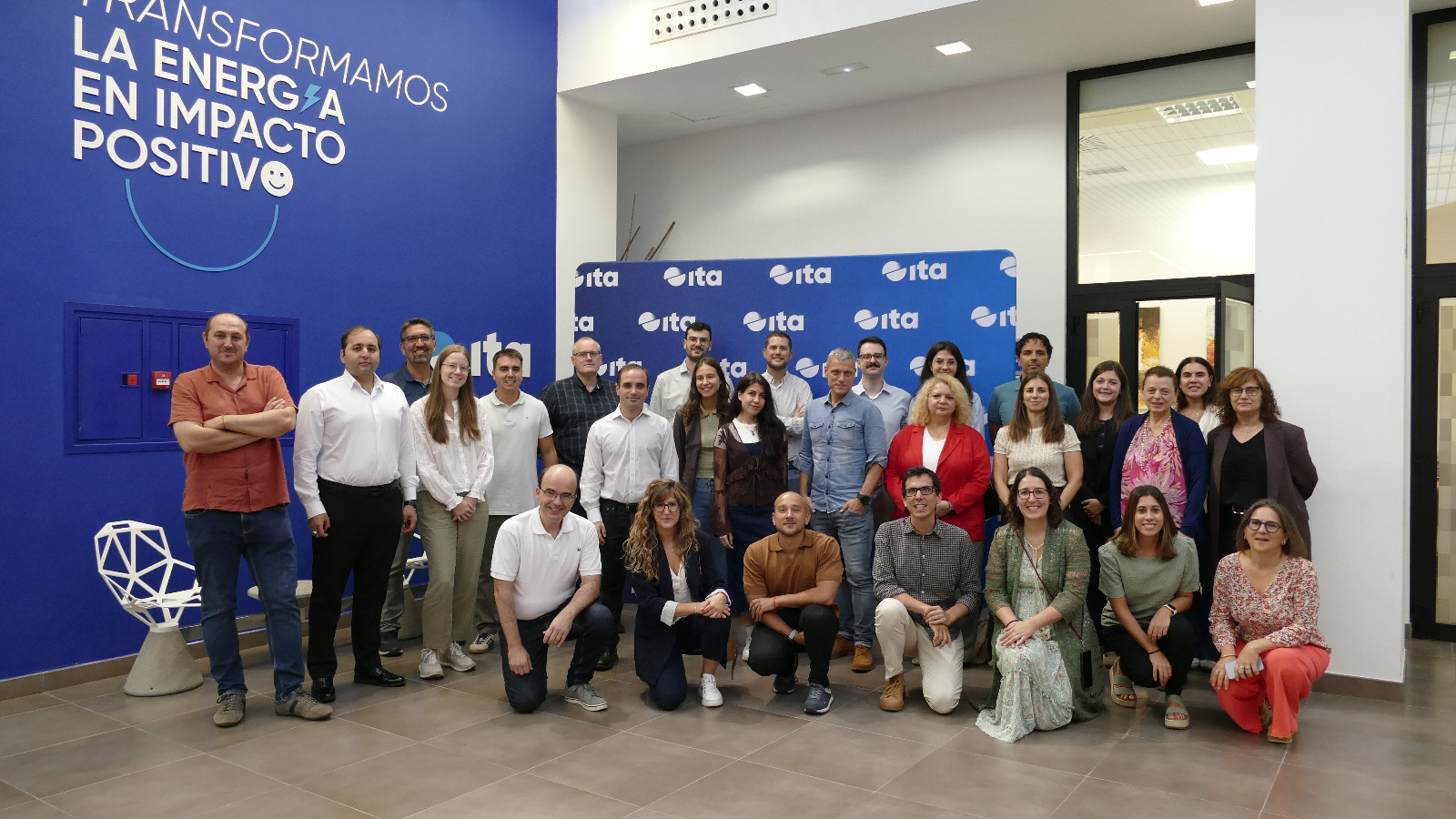
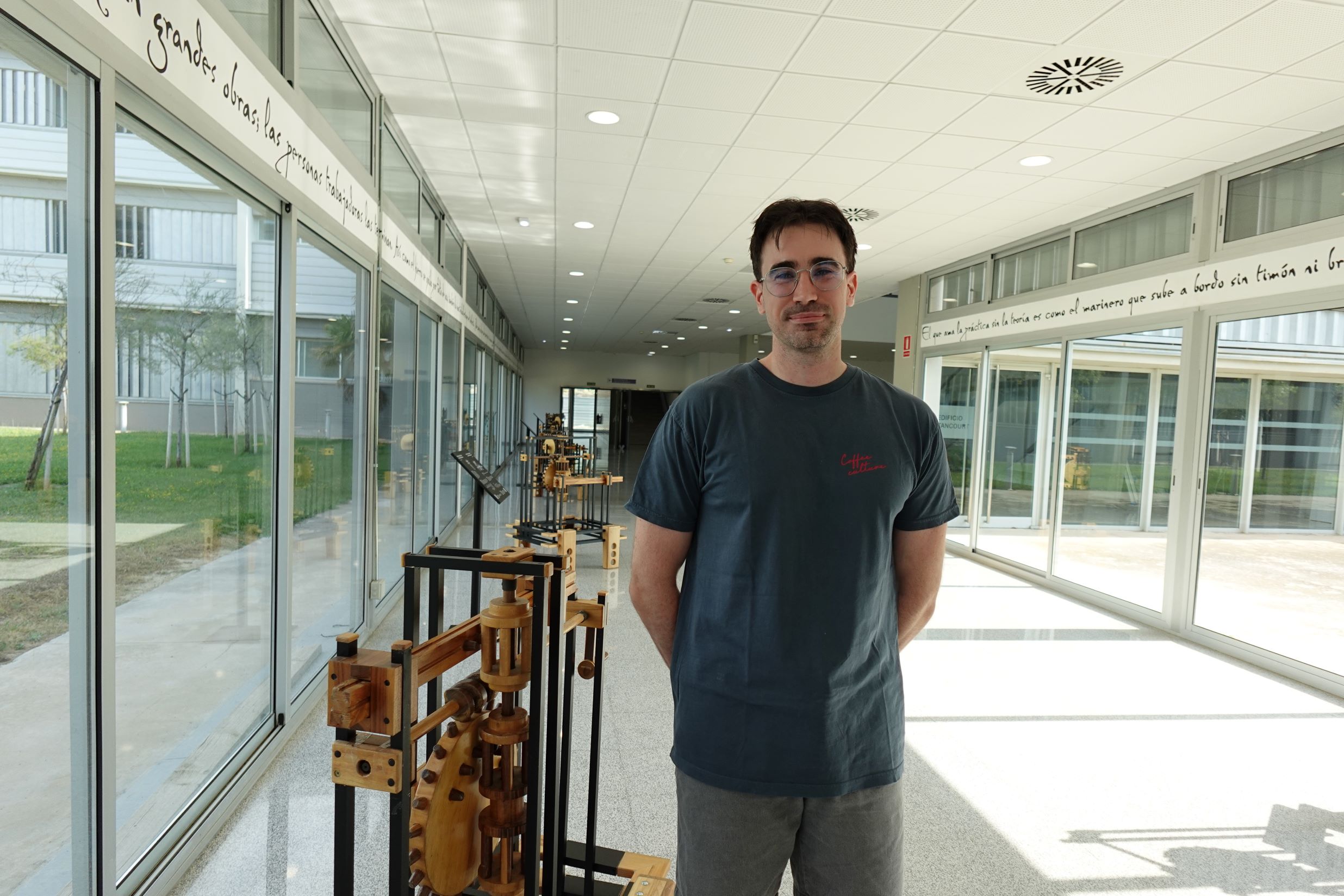
Today, the Río Ebro Campus hosted one of the events organized at the University of Zaragoza to mark International Day of Women and Girls in Science, which this year is being celebrated under the slogan “Artificial intelligence and gender bias.”
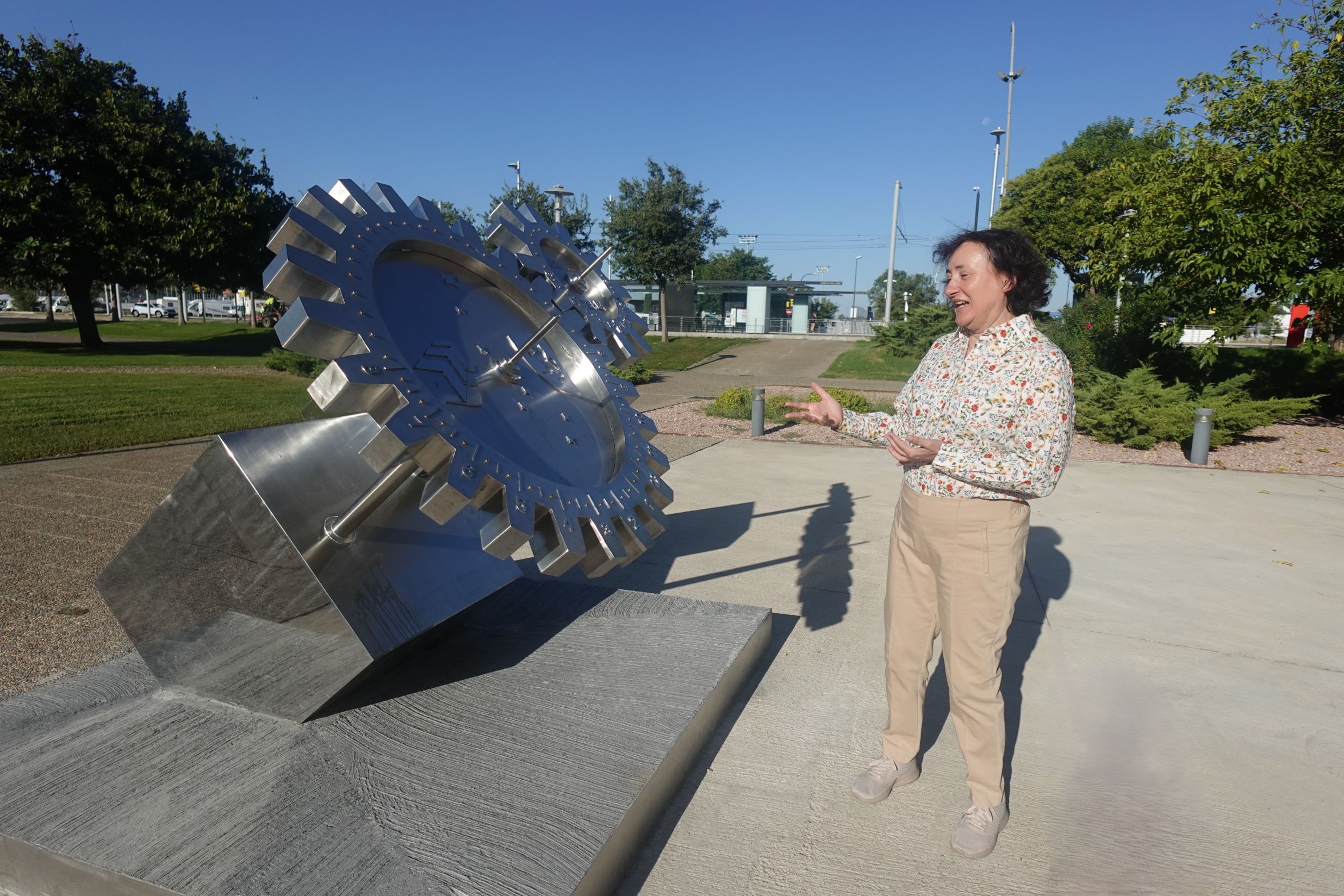
Julia Herrero, professor at the School of Engineering and Architecture (EINA) and researcher at the Institute of Nanoscience and Materials of Aragon (INMA), was responsible for reading a text highlighting the important role of artificial intelligence, but also reminding us that AI is not neutral: it learns from the data it receives, and when this data reflects social inequalities, especially gender inequalities, the algorithms reproduce and even amplify them.
Today marks the 10th anniversary of this February 11 Initiative to raise awareness and combat the gender gap in the world of science and technology.
For a decade, educational centers, scientific institutions and groups, and even businesses and cultural associations have joined forces to combat the gender gap in the world of science and technology. However, despite these efforts, women in STEM fields continue to be underrepresented in the fundamental pillars of our society.
In 2026, our attention is focused on a technology that is profoundly transforming how we work, how we communicate, and how we make decisions: artificial intelligence. We must be clear: artificial intelligence is not neutral.
Their algorithms learn from the data we provide them with, and in doing so, they replicate and amplify the prejudices and inequalities in our society, especially those related to gender. This is not just a technical glitch; it is a reflection of how we design our tools. What is built today as an algorithm becomes tomorrow a decision that affects lives.
We have seen how facial recognition systems fail more often with dark-skinned women, revealing real digital discrimination. We have detected how female resumes are penalized in job selection processes. These inequalities also carry over into health, finance, and justice, where artificial intelligence replicates discriminatory patterns that affect women and other underrepresented groups.
For all these reasons, we declare today that equality must not be left behind in the technological revolution. To move towards a more equitable AI, it is essential to adopt concrete measures, use diverse data that is representative of all gender identities, ensure the transparency and reliability of models and their decisions, have inclusive development teams that integrate multiple perspectives, implement ethical frameworks and robust regulations that accompany technological design, and incorporate a gender perspective across all phases of AI creation. Equality must not be left out of the technological revolution.
What is built in the form of algorithms becomes everyday decisions that affect opportunities, rights, and lives. To prevent AI from repeating the history of inequality, we must intervene today with critical awareness and an inclusive vision. Here's to a February 11 filled with science and equality.
More information about this year's theme: Inteligencia Artificial y sesgos de género: cuando los algoritmos aprenden nuestras desigualdades
Illustration: Ame Soler, “Tres voltes Revel”