A team of engineers, biologists, immunologists and robotics experts have launched AI-FUSE (AI for Universal Scene Understanding: from cells to ecosystems), a research project that seeks to replace ‘tailor-made’ artificial intelligence with a universal form that can be applied to different fields, even those where AI is still in its infancy. They will focus on medicine, robotics and the environment.
In their proposal, they acknowledge that current models have come a long way, but still have significant limitations that hinder the democratisation of AI and make it universal. The aim is to make it open and adaptable, reusable, use less data, require less consumption and be more explainable.
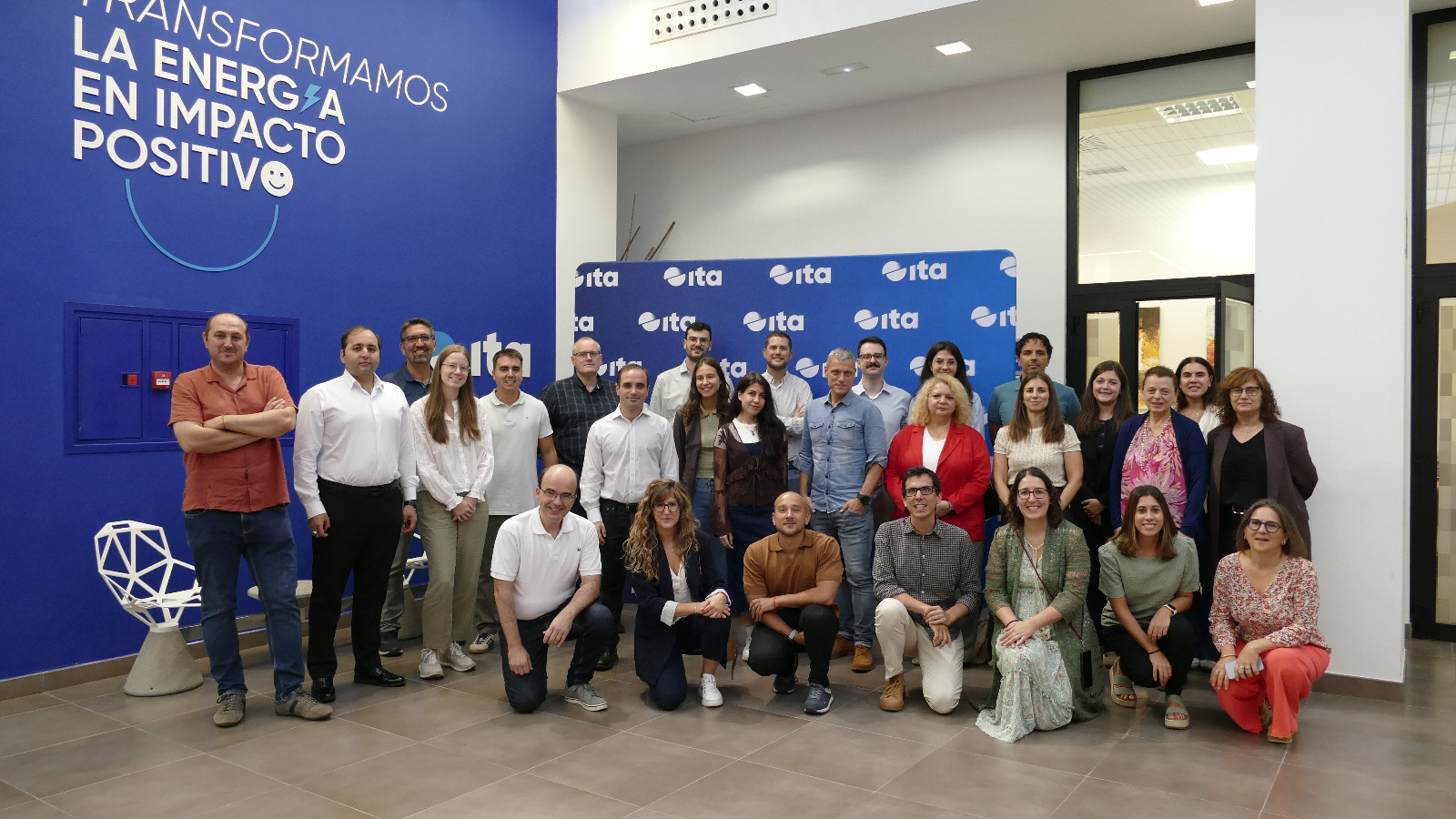
Research groups from Aragon, Navarre and Andalusia
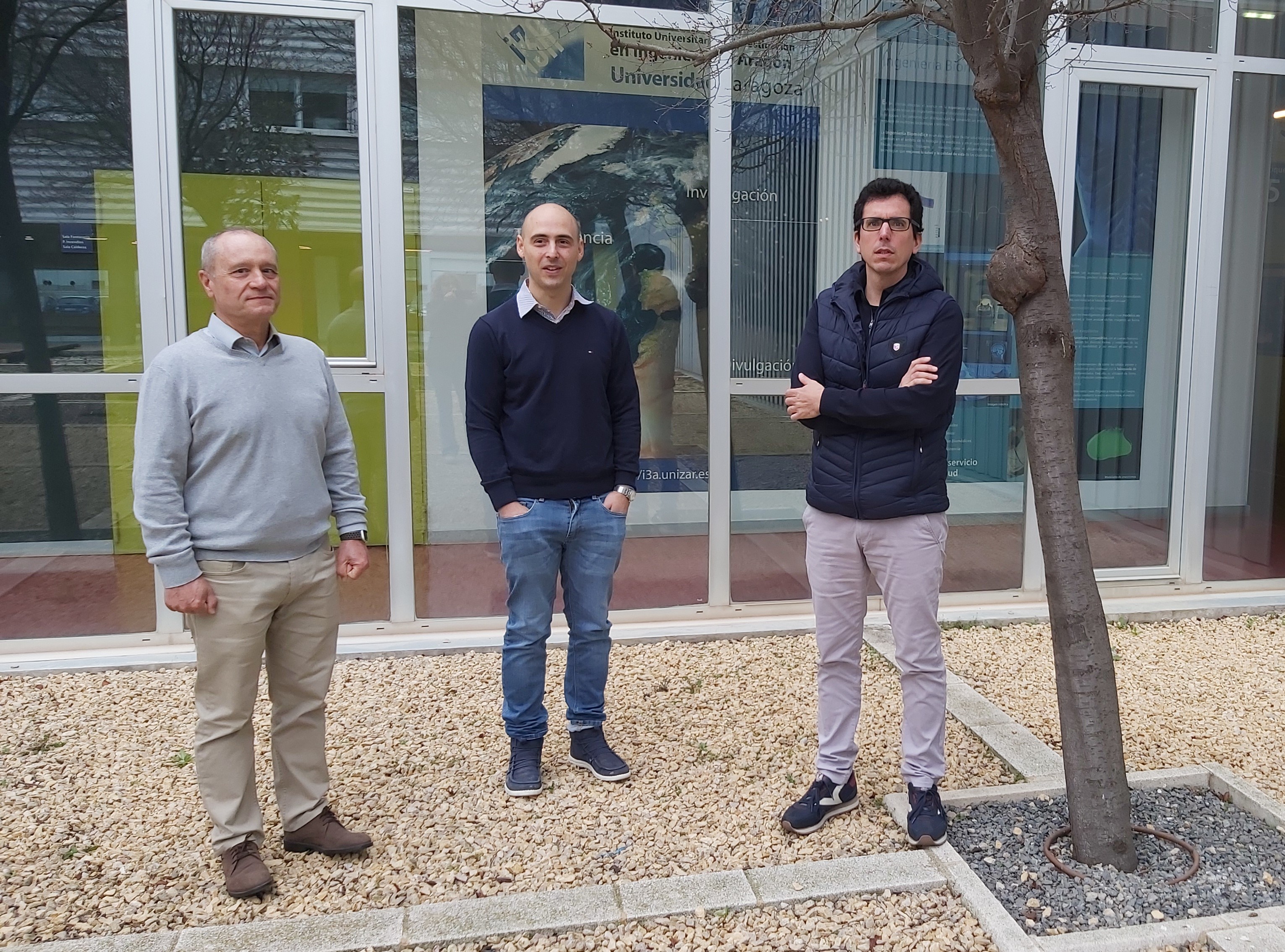
To this end, groups from the Aragón Engineering Research Institute (I3A) at the University of Zaragoza, CIMA University of Navarra and Pablo de Olavide University in Seville have joined forces. Ana Cristina Murillo and Eduardo Montijano, from the Robotics, Computer Vision and Artificial Intelligence (RoPeRT) group at I3A Unizar, are the coordinators of the AI-FUSE project.
‘Our goal is to create universal algorithms that can be used in any field, so that the economic, industrial and research effort can be reused in other areas and made simpler,’ explain the two researchers from the University of Zaragoza.
This research project has a budget of over one million euros from the Ministry of Science, Innovation and Universities. They face problems such as the enormous amount of data required by AI models, the computational and energy resources consumed, and the inability to function well outside the fields for which they were trained.
The world in motion through AI
In addition, they will use video as a key format, seeking to enable AI to understand the world in motion as opposed to AI focused on static images. Their developments will be validated in three strategic areas:
Environment: monitoring wildlife, ecosystems, traffic and safety, facilitating conservation and environmental management.
Robotics: improving the interaction of robots in real environments, with people, movement, or sensors.
Cell biology and immunology: analysing microscopy videos to see the dynamics of immune cells, which has a potential impact on oncology and immunotherapy.
Unlike other approaches, AI-FUSE does not seek to develop specific tools for each discipline, but rather to create reusable algorithms and metrics capable of adapting to very different contexts with lower data and computational resource consumption. The aim is to show the world as it happens, in motion, with interaction and at multiple scales, from a single cell to an entire ecosystem.
The expected results include the creation of a set of tests or benchmarks in English, universal for the evaluation of video scene comprehension algorithms, with heterogeneous data and metrics that are understandable across disciplines, an important step towards more transparent and comparable AI.
Website for further information:: https://sites.google.com/unizar.es/ai-fuse